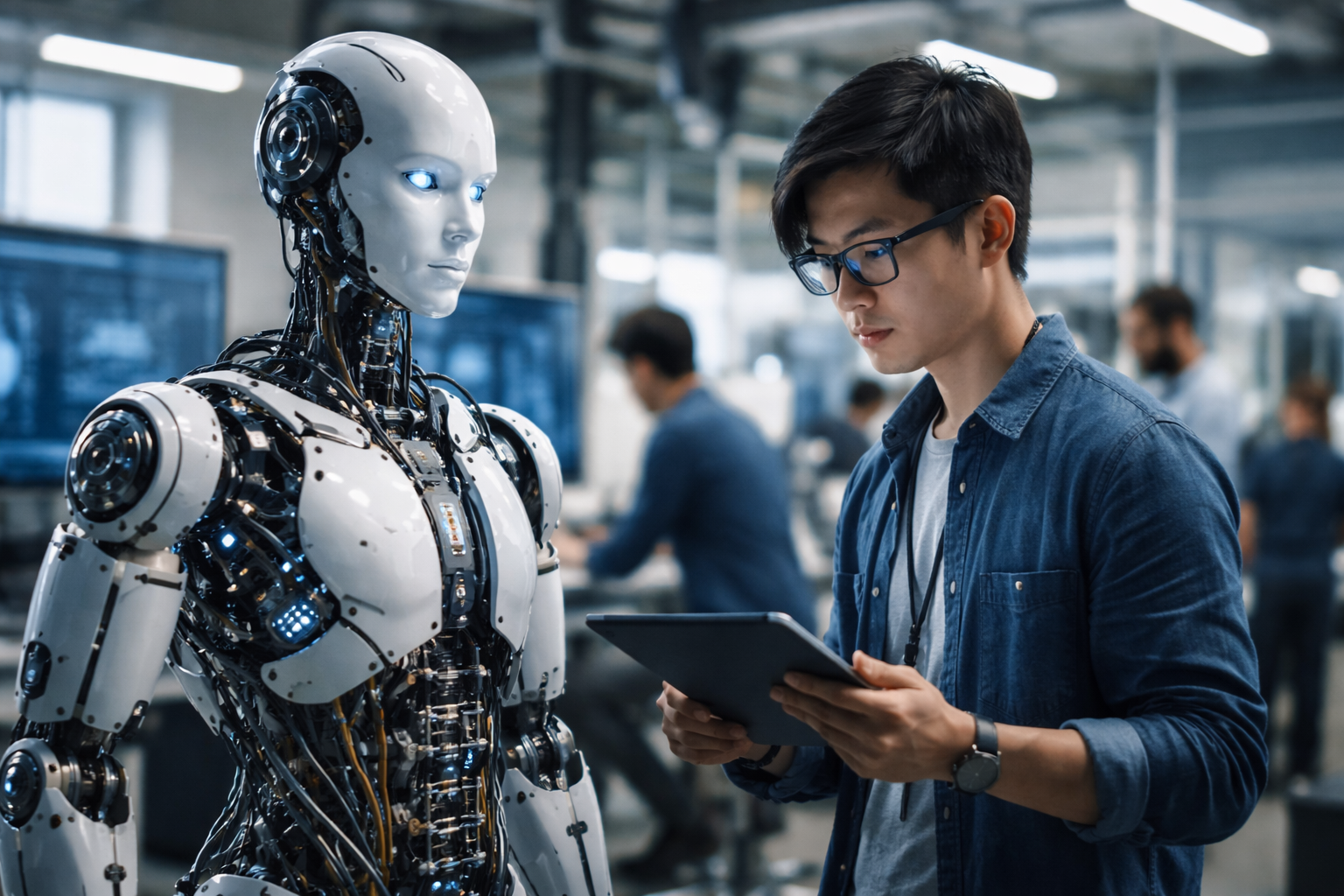
How AI Is Shaping the Future of Personalized In-Car Experiences

Photo by Shane Ryan Herilalaina on Unsplash
Introduction: The New Era of Personalized In-Car Experiences
The automotive industry is undergoing a paradigm shift, driven by rapid advancements in artificial intelligence (AI) and machine learning. Modern vehicles are no longer mere modes of transport-they are evolving into personalized digital habitats designed to anticipate and adapt to individual needs. This article explores the latest trends, technologies, and practical steps for drivers and automotive businesses looking to benefit from the future of personalized in-car experiences.
Understanding Hyper-Personalization in Automotive
Consumers today expect more than traditional features. Hyper-personalization means vehicles offering tailored experiences based on a driver’s lifestyle, habits, and preferences. Leading brands use real-time behavioral data to customize everything from leasing options to infotainment content, transforming each journey into a unique experience [1] . For example, BMW’s iDrive system learns and adapts to preferred seat positions, destinations, and even ambient lighting, while Toyota’s “Yui” AI system is designed to respond to driver emotions [5] .

Photo by Myron Mott on Unsplash
Key Technologies Powering Personalization
AI-Powered Personal Assistants
AI-driven personal assistants are now central to the in-car experience. Modern systems, like Hyundai’s use of natural language processing (NLP), allow for seamless, conversational interactions with vehicle controls [2] . From voice-activated navigation to climate control, these assistants reduce cognitive workload and make driving safer and more enjoyable [3] .
Predictive Maintenance and Smart Features
AI analytics now enable predictive maintenance, alerting owners to potential issues before they become critical. Genesis’s digital service tools, for instance, analyze user data to recommend upgrades and schedule maintenance automatically [2] . Smart climate control systems, highlighted in the J.D. Power U.S. Tech Experience Index Study, automatically adjust settings for optimal comfort, raising user satisfaction and vehicle reliability [3] .
Enhanced Navigation and Safety
Machine learning is revolutionizing route planning. Advanced navigation systems gather historical traffic data, current road conditions, and user preferences to suggest optimal routes. Some vehicles use cameras and sensors to update maps and warn drivers of hazards, further personalizing the driving experience [4] . These features also contribute to safer, more efficient journeys.
Customized Entertainment and Connectivity
In-car entertainment is increasingly personalized. AI-powered recommendation engines suggest music, podcasts, or audiobooks based on user behavior and trip length [4] . Some vehicles monitor driver mood, adjusting entertainment and ambiance accordingly. Integration with smartphones and smart home devices allows for seamless connectivity, making every trip more enjoyable and productive.
Real-World Examples and Case Studies
Major automakers are actively deploying personalized technologies:
- BMW Intelligent Personal Assistant: Enables hands-free control of navigation, climate, and entertainment features through conversational voice commands [5] .
- Toyota Yui: Adapts to the driver’s emotions and preferences for a truly intuitive driving experience [5] .
- Genesis Digital Service Tools: Analyze user data for proactive maintenance and upgrade recommendations [2] .
- Smart Climate Control: Automatically optimizes comfort, as shown by rising satisfaction scores in recent J.D. Power studies [3] .
How to Access and Implement Personalized In-Car Technology
Vehicle owners and buyers interested in these innovations should consider the following steps:
- Research Vehicle Models: Review official manufacturer websites to compare personalization features. Look for terms like “AI assistant,” “smart climate,” and “adaptive navigation.”
- Visit Authorized Dealerships: Schedule test drives to experience personalized technologies firsthand. Ask sales representatives to demonstrate features like voice controls and predictive maintenance tools.
- Leverage Manufacturer Support: Many automakers offer online chat support or phone hotlines to answer questions about new features. Use these channels to learn about updates and compatibility with your smartphone or smart home devices.
- Stay Updated: Subscribe to official brand newsletters and industry publications to receive alerts on the latest developments. The J.D. Power TXI Study [3] provides annual benchmarks on user satisfaction and technology integration.
If you are unsure where to start, search for your preferred automaker’s official website and customer experience resources. Many brands publish guides and video demonstrations of their personalized features online.
Potential Challenges and Solutions
Adopting advanced AI-powered features comes with challenges. Some drivers may find new interfaces complex or overwhelming. To address this, automakers are investing in user-friendly design and robust training resources. Privacy concerns regarding data collection are also significant. Reputable brands are transparent about data policies and offer opt-in controls for personalization features.
If privacy is a major concern, review your vehicle’s user manual and privacy settings. You can often adjust data sharing preferences through the car’s infotainment system or by contacting manufacturer support.
Alternative Approaches to Personalization
Not all vehicles offer built-in AI personalization. Drivers of older models can still access some benefits by integrating aftermarket solutions such as smartphone apps for navigation, entertainment, and climate control. Retailers and third-party providers offer compatible devices that enable features like remote start and smart home integration.
For a tailored solution, consult automotive technology specialists at authorized service centers. They can recommend upgrades and installation options suited to your vehicle’s make and model.
Key Takeaways and Next Steps
The future of personalized in-car experiences is already unfolding, with AI and machine learning delivering smarter, safer, and more enjoyable journeys. Whether you’re purchasing a new vehicle or upgrading an existing one, research current offerings, test features, and leverage manufacturer support to make the most of these innovations. As technology continues to evolve, expect even deeper personalization, improved safety, and greater convenience-driving satisfaction for years to come.
References
- [1] XEBO.ai (2025). Top 5 Customer Experience Trends in the Automotive Industry.
- [2] Ciklum (2025). 2025 Automotive Predictions: AI and Machine Learning Innovation.
- [3] Digital Dealer (2025). Driving into the Future: AI is Transforming the Automotive Experience.
- [4] Netguru (2025). AI in Automotive: Driving the Future of Transportation.
- [5] Hitachi (2025). The Future of AI in the Automotive Industry: Revolutionizing Design, Production, and Operations.