
Personal Budgeting and Money Management
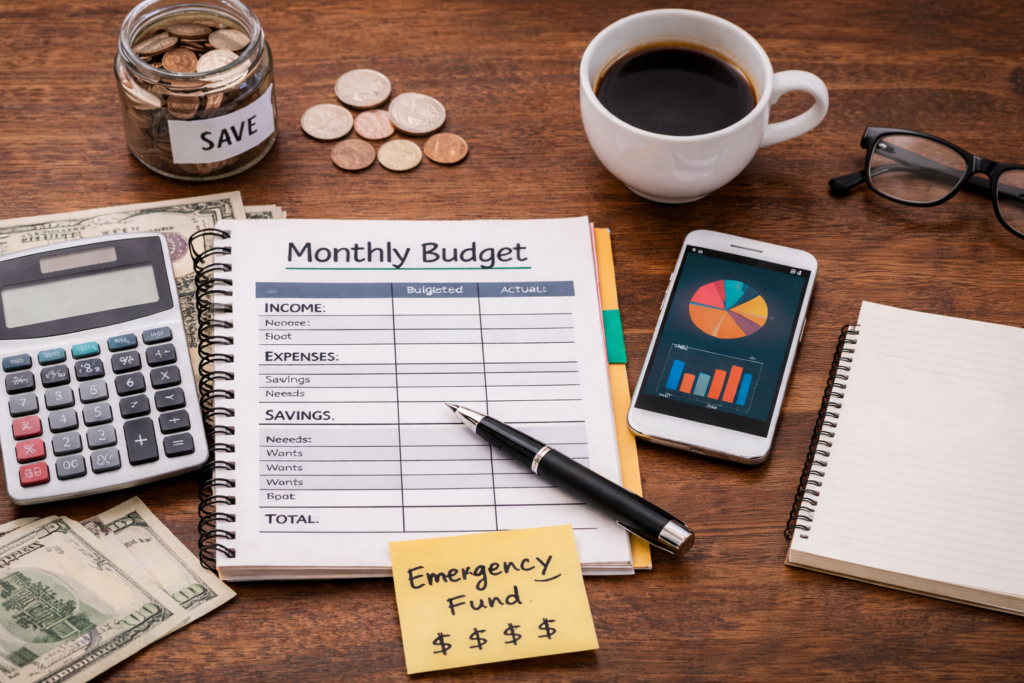
Money plays a central role in daily life. It affects our lifestyle, security, opportunities, and long-term goals. However, many people struggle with managing their finances simply because they never learned how. Without clear planning, it is easy to overspend, fall into debt, or feel anxious about the future. Personal budgeting and money management are practical skills that help individuals take control of their financial situation. By learning how to plan income, control expenses, and build effective saving habits, anyone can create a more stable and confident life. This article presents key principles and actionable steps for managing money in a smart and organized way.
1. Understanding the Importance of Financial Awarenes
Before creating any financial plan, it is necessary to understand your current situation. Many financial problems begin with a simple lack of awareness.
Financial awareness means:
- Knowing exactly how much money you earn each month
- Understanding where your money is spent
- Recognizing unnecessary or emotional spending
- Identifying personal financial priorities
Most people have only a vague idea of their spending habits. They remember large expenses like rent or bills but forget small daily costs. Over time, these small expenses can become a serious financial burden.
Becoming financially aware is the first and most important step toward better money management. Once you clearly see your financial reality, you can begin making intelligent decisions instead of guessing.
2. Creating a Clear and Practical Budget
A budget is the foundation of all personal finance. It is not a restriction but a plan that gives direction to your money.
Steps to build an effective budget:
Step 1 – List Your Income
- Salary or wages
- Freelance or part-time income
- Any additional earnings
Knowing your exact monthly income gives you a starting point for all financial planning.
Step 2 – Categorize Your Expenses
Divide expenses into two main groups:
Fixed Expenses
- Rent or mortgage
- Utilities
- Insurance
- Loan payments
- Subscriptions
Variable Expenses
- Food and groceries
- Transportation
- Shopping
- Entertainment
- Personal care
Step 3 – Compare Income and Expenses
After listing everything, ask yourself:
- Are you spending more than you earn?
- Is there room for saving?
- Which categories can be reduced?
A popular budgeting guideline is the 50-30-20 rule:
- 50% for needs
- 30% for wants
- 20% for savings
This simple structure helps people balance daily living with long-term financial goals.
3. Tracking and Controlling Expenses
A budget only works if it is followed. The key to following a budget is tracking expenses consistently.
Why expense tracking matters:
- It reveals real spending habits
- It prevents financial surprises
- It highlights areas where money is wasted
- It encourages more responsible decisions
Practical methods to track spending:
- Using budgeting apps
- Keeping a daily expense notebook
- Reviewing bank statements weekly
- Setting spending limits for each category
Many people are shocked to discover how much they spend on small things such as:
- Coffee
- Food delivery
- Online shopping
- Unused subscriptions
Controlling expenses does not mean living without enjoyment. It means spending intentionally instead of impulsively.
Helpful strategies for better control:
- Set monthly limits for entertainment
- Avoid shopping when emotional
- Compare prices before buying
- Cancel services you no longer use
- Use cash or spending envelopes for discipline
4. Building Strong and Consistent Saving Habits

Saving money is the most important habit in personal finance, yet it is often ignored.
Common mistake:
- Spending first and trying to save what is left
Better approach:
- Save first, then spend what remains
This principle is known as “pay yourself first.”
Effective ways to build savings:
- Set up automatic transfers to a savings account
- Decide on a fixed percentage to save each month
- Treat savings like a mandatory bill
Priority number one: the Emergency Fund
An emergency fund is money reserved for unexpected situations such as:
- Medical expenses
- Car repairs
- Job loss
- Family emergencies
Financial experts recommend saving enough to cover:
- At least 3 to 6 months of living expenses
Having this fund prevents stress and protects you from going into debt during difficult times.
Other important saving goals:
- Travel plans
- Education
- Buying a home
- Retirement
- Starting a business
Clear goals make saving easier and more motivating.
5. Avoiding Common Money Management Mistakes
Even with good intentions, many people fall into financial traps. Being aware of these mistakes helps you avoid them.
Major financial mistakes to avoid:
- Overusing credit cardsHigh interest rates can quickly create long-term debt.
- Lifestyle inflationSpending more just because income increases.
- Impulse buyingMaking purchases without planning or thinking.
- Ignoring long-term planningFocusing only on today instead of the future.
- Not tracking small expensesUnderestimating how quickly little costs add up.
Avoiding these habits can dramatically improve financial health without requiring a higher income.
6. Developing a Healthy Financial Mindset
Money management is not only about numbers; it is also about attitude and discipline.
A strong financial mindset includes:
- Setting realistic goals
- Being patient with progress
- Learning from mistakes
- Thinking long term
- Valuing financial security over short-term pleasure
Financial education plays an important role. Reading books, learning online, and seeking advice can improve confidence and decision-making.
Good money management is a skill that grows over time. No one becomes perfect overnight, but small daily improvements lead to big long-term results.
Conclusion
Personal budgeting and money management are essential tools for building a secure and stress-free life. By understanding your financial situation, creating a clear budget, tracking expenses, and developing strong saving habits, you gain control over your future.
Managing money wisely does not require wealth or advanced knowledge. It requires awareness, discipline, and consistent action. Simple habits such as planning spending, saving regularly, and avoiding unnecessary debt can completely transform a person’s financial condition.
In today’s world, financial stability is one of the greatest sources of peace and freedom. Anyone who takes the time to learn and apply basic money management principles can move toward a more confident, independent, and successful future.