
Preparing for the Unexpected: A Simple Guide to Building Emergency Funds and Financial Security
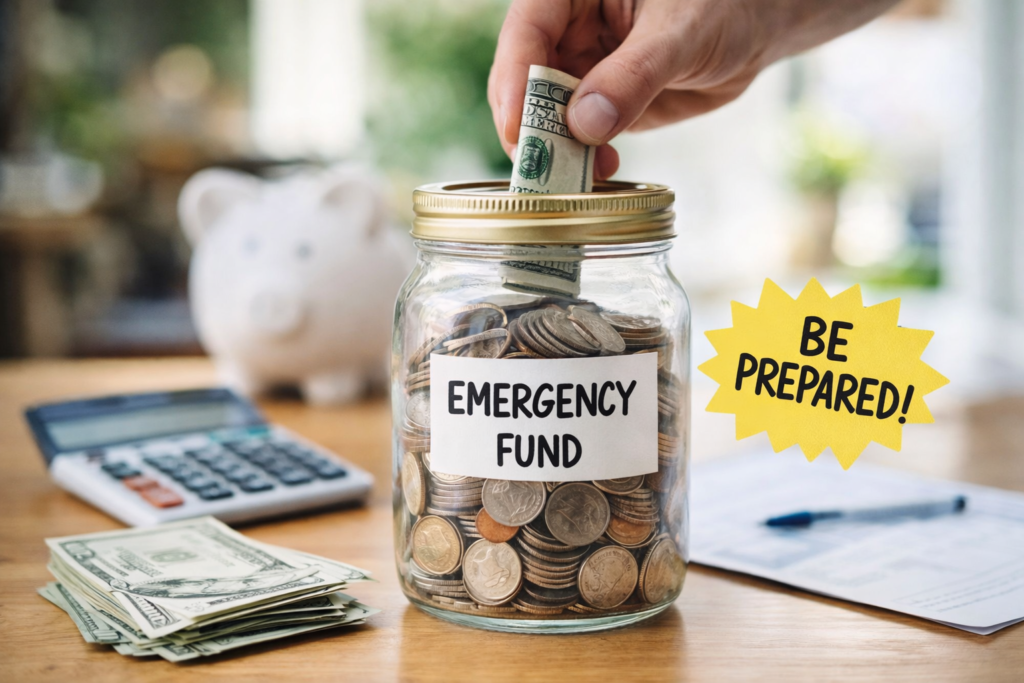
Life has a funny way of surprising us. One moment everything feels stable, and the next moment an unexpected expense appears out of nowhere—a car repair, a medical bill, or even the loss of a job. These situations can be stressful, especially if you are not financially prepared for them. That is why building an emergency fund is one of the most important steps anyone can take toward real financial security.
An emergency fund is not about getting rich quickly or making complex investments. It is simply about creating a safety net that protects you and your family when life becomes unpredictable. This article will explain why emergency savings matter, how to start building them, and practical ways to stay financially secure no matter what happens.
Why Emergency Funds Matter More Than You Think
Many people believe that emergencies will never happen to them. Unfortunately, reality proves otherwise. Unexpected situations are a normal part of life, and being financially prepared makes all the difference.
An emergency fund helps you in several important ways:
- It reduces stress and anxiety.Knowing that you have money set aside for problems gives you peace of mind.
- It prevents debt.Without savings, people often rely on credit cards or loans when something goes wrong.
- It gives you time to make better decisions.When you are not desperate for money, you can think clearly and avoid poor financial choices.
- It protects your long-term goals.Instead of using money meant for education, retirement, or investments, you can rely on your emergency savings.
Financial security does not come from luck. It comes from preparation.
What Exactly Is an Emergency Fund?
An emergency fund is a separate amount of money that you save only for real, unexpected situations. It is not meant for vacations, shopping, or regular monthly bills.
True emergencies include things like:
- Medical expenses not covered by insurance
- Urgent home or car repairs
- Sudden job loss
- Family emergencies
- Essential travel due to unforeseen events
The key idea is simple: emergency money should only be used when something important and unplanned happens.
How Much Should You Save?
One of the most common questions is, “How big should my emergency fund be?”
Financial experts usually recommend saving:
- At least 3 to 6 months of living expenses
This means enough money to cover basic needs such as:
- Rent or mortgage
- Food
- Utilities
- Transportation
- Insurance
- Minimum debt payments
For example, if you spend $1,000 per month on essential living costs, your emergency fund goal should be between $3,000 and $6,000.
However, the right amount can vary depending on your personal situation:
- If you have a stable job, 3 months may be enough.
- If you are self-employed or have irregular income, aim for 6–12 months.
- If you support a family, a larger fund is usually safer.
There is no one-size-fits-all answer. The important thing is to start somewhere.
Getting Started: Small Steps, Big Results
Many people feel overwhelmed when they hear they need to save several months of expenses. But building an emergency fund does not happen overnight.
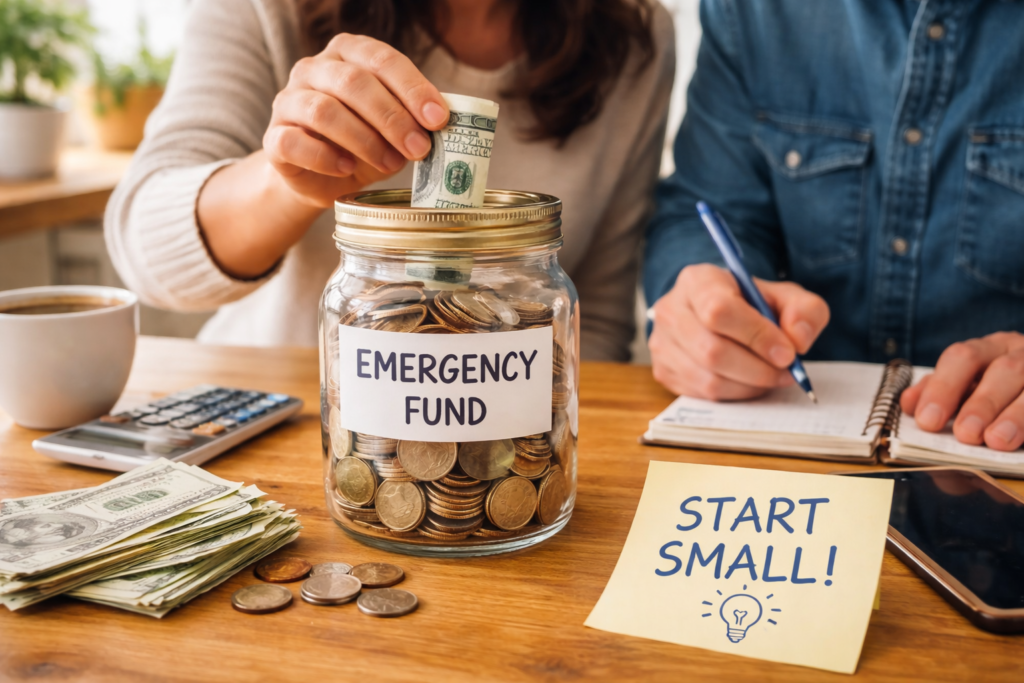
Here are practical, realistic steps to begin:
1. Start With a Mini Goal
Instead of thinking about thousands of dollars, begin with a simple target:
- Save your first $100
- Then aim for $500
- After that, work toward $1,000
Reaching small milestones builds confidence and keeps you motivated.
2. Treat Savings Like a Monthly Bill
The easiest way to save is to make it automatic.
- Decide on a fixed amount you can afford
- Transfer it to savings every payday
- Treat it as seriously as rent or electricity
Even $20 or $30 a month is better than nothing.
3. Open a Separate Savings Account
Keeping emergency money in the same account as your daily spending makes it too tempting to use.
Instead:
- Open a dedicated account just for emergencies
- Avoid using a debit card for that account
- Make it slightly harder to access
This simple trick helps protect your savings from impulse spending.
Smart Ways to Grow Your Emergency Fund Faster
If you want to build your fund more quickly, there are many simple strategies you can try.
Look for Extra Money in Your Budget
Small changes can free up more cash than you expect:
- Cancel subscriptions you don’t really use
- Cook at home more often
- Reduce unnecessary shopping
- Compare bills and look for cheaper plans
Every dollar you save can go directly into your emergency fund.
Use Windfalls Wisely
Whenever you receive unexpected money, consider saving part of it:
- Tax refunds
- Work bonuses
- Gifts
- Side job income
Putting these amounts into your emergency fund can help it grow much faster.
Try a Side Hustle
If your regular income makes saving difficult, think about:
- Freelance work
- Selling unused items
- Part-time weekend jobs
Even a small extra income stream can make a big difference.
Common Mistakes to Avoid
While building emergency savings sounds simple, many people make avoidable mistakes.
Here are a few to watch out for:
- Using the fund for non-emergenciesBuying new gadgets or taking trips is not an emergency.
- Stopping after reaching a small amount$500 is good, but it may not be enough for serious problems.
- Keeping savings in risky investmentsEmergency money should be safe and easy to access, not in the stock market.
- Not rebuilding after using itIf you spend from your fund, make refilling it a top priority.
Being disciplined is just as important as saving the money in the first place.
Where Should You Keep Emergency Money?
Your emergency fund should be:
- Safe
- Easy to access
- Separate from daily spending
Good options include:
- A regular savings account
- A high-interest savings account
- A money market account
Avoid putting emergency funds into:
- Stocks
- Cryptocurrency
- Long-term investments
The goal is security, not high returns.
Emergency Funds and Overall Financial Security
Building an emergency fund is not just about saving money. It is the foundation of a healthy financial life.
Once you have a solid safety net, you can:
- Pay off debt more confidently
- Start investing without fear
- Plan long-term goals
- Handle life changes with less worry
In other words, emergency savings give you freedom and control over your future.
Teaching the Habit to the Whole Family
Financial security becomes even stronger when everyone in the household understands its importance.
You can encourage good habits by:
- Talking openly about money with your family
- Teaching children the value of saving
- Setting shared financial goals
- Celebrating savings milestones together
When saving becomes a family culture, it becomes much easier to maintain.
A Gentle Reminder: Progress Is More Important Than Perfection
Many people delay saving because they think they need a perfect plan or a large income. The truth is much simpler.
Financial security is built through:
- Small actions
- Consistent habits
- Patience over time
Even if you can only save a tiny amount right now, you are still moving in the right direction.
Conclusion
Building an emergency fund is one of the smartest financial decisions you will ever make. It protects you from life’s surprises, reduces stress, and gives you the confidence to face the future.
You do not need to be wealthy to start. You just need to begin—with whatever amount you can manage. Step by step, month by month, your savings will grow, and so will your sense of security.
Unexpected events are a part of life, but financial panic does not have to be. By preparing today, you create a safer, calmer, and more stable tomorrow.
Start small. Stay consistent. And remember: true financial security begins with a simple emergency fund.