
Smart and Simple Ways to Handle Debt Without Stress
Opening Thoughts
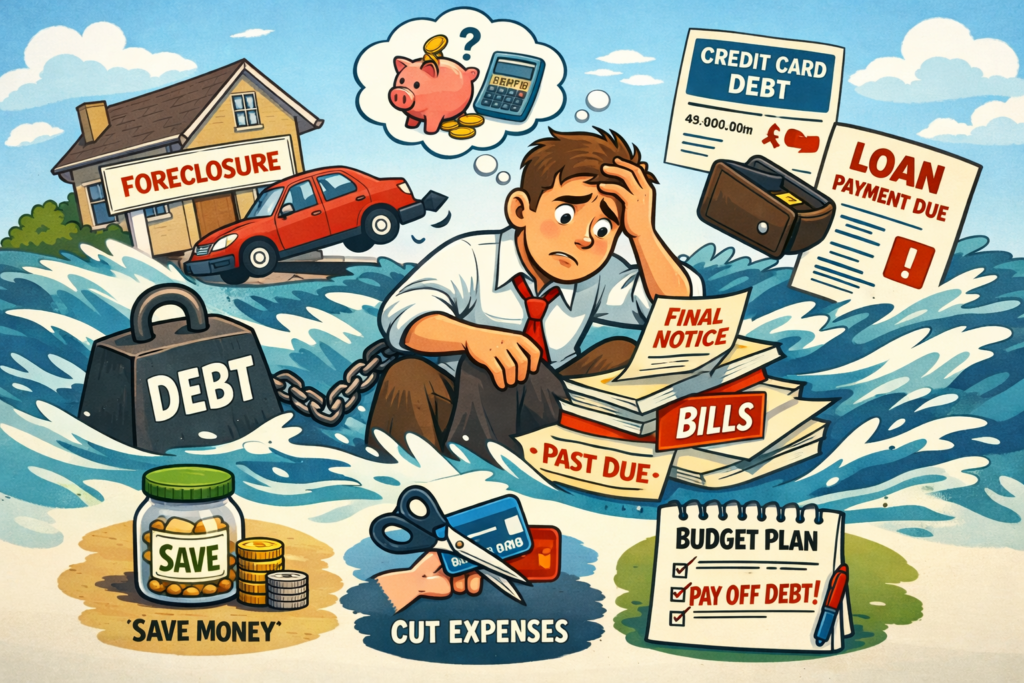
Almost everyone deals with debt at some point in life. It might be a student loan, a credit card bill, a car payment, or even money borrowed from family. Debt itself is not automatically a bad thing. In fact, borrowing can help people study, start a business, or buy a home. Problems begin only when debt grows faster than income or becomes difficult to control.
Many people feel embarrassed or anxious about owing money. They avoid checking their bank accounts, ignore bills, or hope the situation will somehow fix itself. Unfortunately, debt rarely disappears on its own. The good news is that managing debt does not require advanced financial knowledge. With practical strategies, a calm mindset, and small daily habits, anyone can slowly regain control.
This article is written in a friendly, easy-to-follow style for people of all ages. Instead of complicated theories, it offers real-life tips and tricks to manage loans, use credit cards wisely, and reduce financial stress.
A Fresh Way to Think About Debt
Before talking about strategies, it helps to change the way we look at debt.
Important ideas to remember:
- Debt is a common life challenge, not a personal failure
- Small actions can create big improvements over time
- You do not need to be rich to manage debt well
- Progress is more important than perfection
Many people panic because they think debt is permanent. In reality, debt is simply a financial problem with practical solutions. The first step is to stop being afraid of it and start dealing with it calmly.
Step One: Face the Reality With Honesty
The biggest mistake most people make is avoiding their financial situation. To manage debt, you must first understand it clearly.
Take these simple actions:
- Write down every loan and credit card you have
- Note the interest rate for each one
- Record minimum monthly payments
- Add up the total amount you owe
Seeing the full picture may feel uncomfortable, but it is also empowering. Clarity replaces confusion, and once you know the facts, you can create a real plan.
Build a Budget That Actually Works
Debt management becomes much easier when you control your everyday spending. A budget is not a punishment; it is a roadmap.
Create a basic monthly plan:
- List your total income
- Write down essential expenses
- Separate needs from wants
- Decide how much money can go toward debt
You do not need a perfect or complicated budget. Even a simple notebook or phone app can make a huge difference.
Friendly budgeting tips:
- Track expenses for 30 days
- Limit eating out and impulse shopping
- Cancel subscriptions you don’t use
- Review your budget every month
A realistic budget gives you breathing room and prevents new debt from piling up.
Choose a Debt Repayment Style That Fits You
There are many ways to pay off debt, but two methods are especially popular because they are simple and effective.
Option 1 – The Snowball Method
- Pay off the smallest debt first
- Gain motivation from quick wins
- Move to the next smallest debt
This method is great for people who need encouragement and visible progress.
Option 2 – The Avalanche Method
- Focus on the debt with the highest interest rate
- Save more money over time
- Mathematically the smartest approach
Both methods work. The best one is the method you can follow without giving up.
Learn to Use Credit Cards Wisely
Credit cards are one of the biggest sources of financial stress. They are useful tools, but only when used carefully.
Healthy credit card habits:
- Pay more than the minimum payment
- Avoid using cards for daily living expenses
- Try to pay the full balance each month
- Stop using cards if you already carry debt
Think of credit cards like fire: helpful when controlled, dangerous when ignored.
If possible, switch to cash or debit cards for a while to rebuild discipline.
Small Changes That Make a Big Difference
Debt management is not only about big decisions. Small habits often have the strongest impact.
Easy actions to start today:
- Cook at home more often
- Bring lunch to work
- Wait 24 hours before buying anything online
- Sell items you no longer need
- Use discounts and compare prices
These simple steps free up extra money that can be used to pay down loans faster.
Talk to Your Lenders Instead of Hiding
Many people are afraid to contact banks or credit card companies, but communication can help more than you think.
You can politely ask for:
- Lower interest rates
- Payment extensions
- Hardship programs
- Reduced fees
Lenders prefer to help you pay slowly rather than not get paid at all. Reaching out shows responsibility, not weakness.
Consider Debt Consolidation Carefully
If you have many different debts, consolidation can make life easier.
Possible benefits:
- One monthly payment instead of many
- Lower interest rates
- Less stress and confusion
However, consolidation only works if spending habits change. Otherwise, new debt can appear on top of the old one.
Always read the terms carefully before agreeing to any consolidation plan.
Build a Small Emergency Fund
A common reason people fall deeper into debt is unexpected expenses.
Even saving a little can help:
- Aim for at least one month of living costs
- Put money aside automatically
- Use this fund only for real emergencies
Having an emergency fund prevents you from using credit cards when life surprises you.
Look for Ways to Increase Income
Sometimes cutting expenses is not enough. Extra income can speed up debt repayment.
Simple ideas:
- Freelance work
- Part-time jobs
- Selling handmade products
- Teaching skills online
- Cleaning out and selling unused items
Use any extra money directly for debt instead of increasing your lifestyle.
Avoid Traps That Keep People in Debt
Knowing what not to do is just as important as knowing what to do.
Stay away from:
- Payday loans with very high interest
- Borrowing more to pay old debts
- Ignoring bills and payment deadlines
- Get-rich-quick schemes
- Emotional shopping
Real progress comes from patience, not shortcuts.
Protect Your Mental and Emotional Health
Debt is not only a financial issue. It can affect sleep, confidence, and relationships.
Remember:
- You are not defined by your debt
- Many people are in the same situation
- Asking for help is okay
- Progress takes time
Talking openly with family or a financial counselor can reduce pressure and help you stay motivated.
Celebrate Every Step Forward
Getting out of debt is a long journey. Motivation matters.
Celebrate moments like:
- Paying off one credit card
- Lowering your total balance
- Saving your first emergency fund
- Sticking to your budget for several months
Small victories build big confidence.
Create Better Habits for the Future
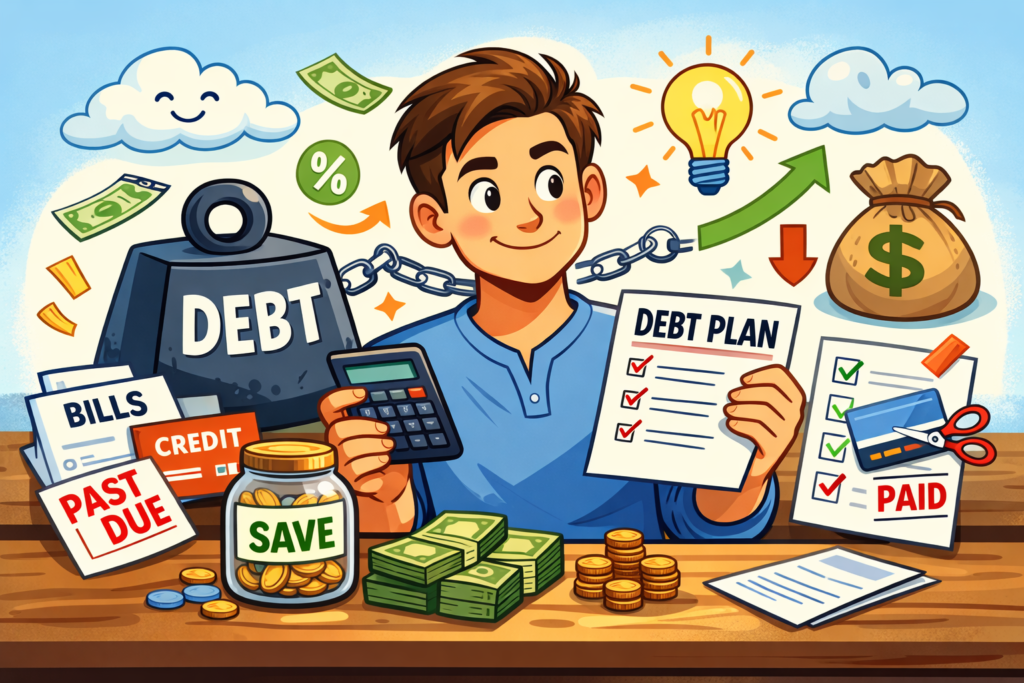
The goal is not only to escape debt but to avoid returning to it.
Healthy long-term habits:
- Spend less than you earn
- Save before you spend
- Think before borrowing
- Review finances regularly
- Plan big purchases in advance
Good habits protect you from future stress.
Final Thoughts
Debt can feel heavy, but it does not have to control your life forever. Managing loans and credit cards is not about being perfect or rich. It is about being aware, responsible, and consistent.
By taking simple steps—understanding your debts, creating a budget, choosing a repayment plan, and changing small daily habits—you can slowly but surely move toward financial freedom.
Remember: every dollar paid, every smart decision, and every month of discipline brings you closer to a calmer and more secure life. The journey may be slow, but it is absolutely possible.
Your debt story does not define you. The actions you take today do.