
From Batteries to Borders: How Lithium Became a Strategic Trade Commodity
(A semi-technical, journalistic-style feature)
The Battery Metal at the Center of Global Tensions
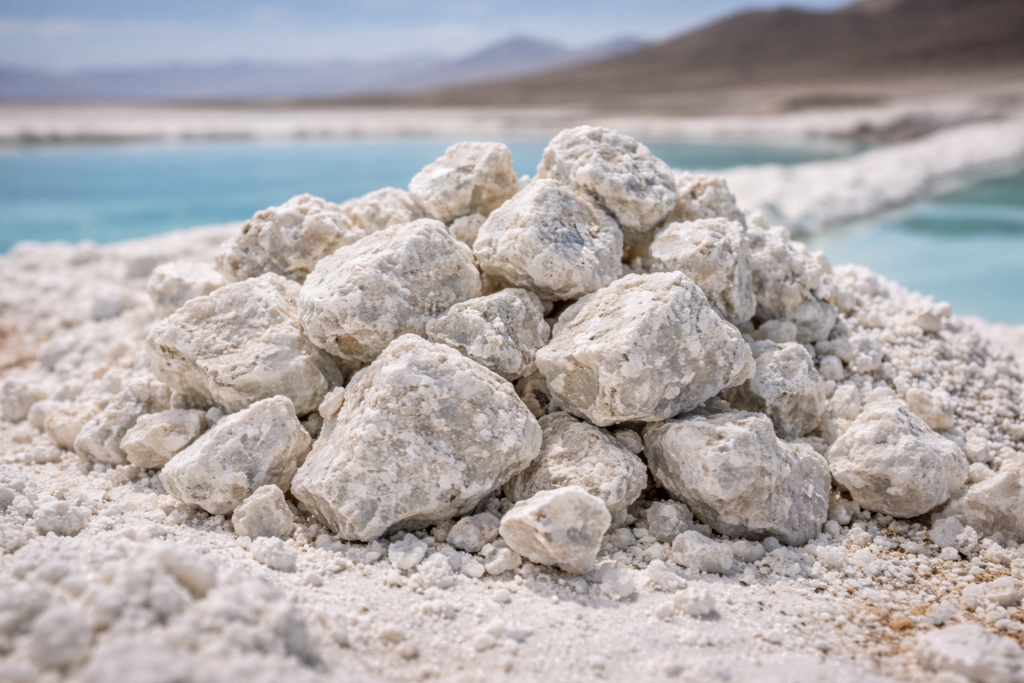
For decades, lithium was a relatively obscure industrial mineral used in ceramics, lubricants, and niche chemical processes. Today, it sits at the heart of the modern economy. From smartphones and laptops to electric vehicles (EVs), renewable energy storage systems, and defense technologies, lithium-ion batteries power much of contemporary life. As nations race to decarbonize and digitize, demand for lithium has surged — and with it, geopolitical competition.
What was once a quiet commodity has transformed into a strategic resource. Governments are scrambling to secure supply chains, companies are investing billions into mining and refining capacity, and trade policies are shifting rapidly. Export restrictions, subsidies, and national security concerns are reshaping the market. The result is a growing trade conflict around a mineral that underpins both the green energy transition and the global technology ecosystem.
This article examines how lithium became essential to everyday life, why it has evolved into a geopolitical flashpoint, and what the emerging trade dynamics mean for economies, industries, and consumers worldwide.
The Mineral Powering Modern Life
Lithium’s Critical Role in Technology
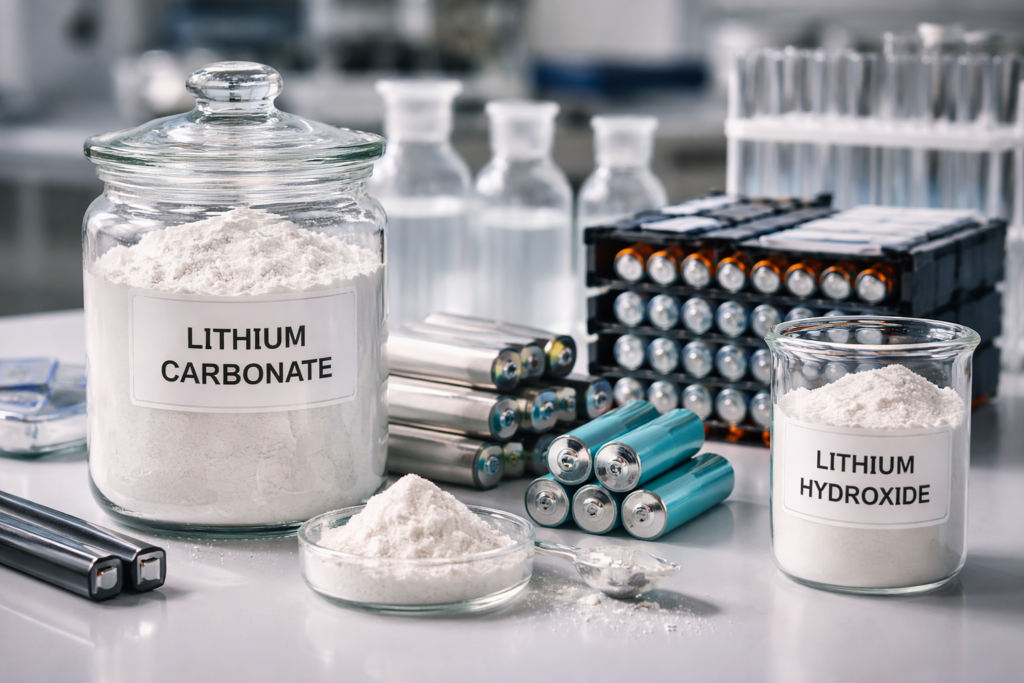
Lithium’s primary modern use is in rechargeable lithium-ion batteries, prized for their high energy density, low weight, and ability to retain charge over many cycles. These properties make lithium batteries indispensable across multiple sectors:
- Consumer electronics: smartphones, tablets, laptops, wearable devices
- Transportation: electric cars, buses, scooters, and emerging aviation projects
- Energy infrastructure: grid-scale battery storage for renewable energy
- Industrial equipment: robotics, power tools, and backup systems
- Defense technologies: drones, communications equipment, and portable power
According to the International Energy Agency (IEA), batteries accounted for roughly 75% of lithium demand by 2023, driven primarily by EV adoption.
Why Lithium Became Irreplaceable — For Now
Alternative battery chemistries exist, but lithium-ion remains dominant due to:
- High performance-to-weight ratio
- Mature manufacturing ecosystem
- Rapid cost reductions over the past decade
- Extensive existing infrastructure
While research continues into sodium-ion, solid-state, and other next-generation batteries, most analysts expect lithium-based technologies to remain central to energy storage through at least the next decade.
The Surge in Demand: Electrification and the Energy Transition
Electric Vehicles Drive Market Expansion
Global EV sales have grown exponentially, surpassing 14 million units in 2023, representing a major share of new car sales in several regions. This growth has dramatically increased lithium consumption.
A single EV battery can require several kilograms of lithium, depending on chemistry and capacity. As governments push emissions reductions and automakers electrify their fleets, lithium demand is projected to multiply several times over by 2030.
Renewable Energy Storage Adds Pressure
The transition to solar and wind power introduces variability in electricity supply. Grid-scale batteries help stabilize energy systems by storing excess power and releasing it during peak demand. Lithium-ion technology currently dominates this storage market due to cost and efficiency.
Key Takeaways: Drivers of Lithium Demand
- Rapid electrification of transportation
- Expansion of renewable energy storage
- Growing dependence on portable electronics
- National decarbonization commitments
Together, these factors have transformed lithium from a niche mineral into a cornerstone of modern industry.
Mapping the Supply Chain: From Mine to Battery
Concentrated Production
Lithium production is geographically concentrated. According to the U.S. Geological Survey (USGS), major producers include:
- Australia: leading global miner
- Chile and Argentina: key sources from brine deposits
- China: significant producer and dominant refiner
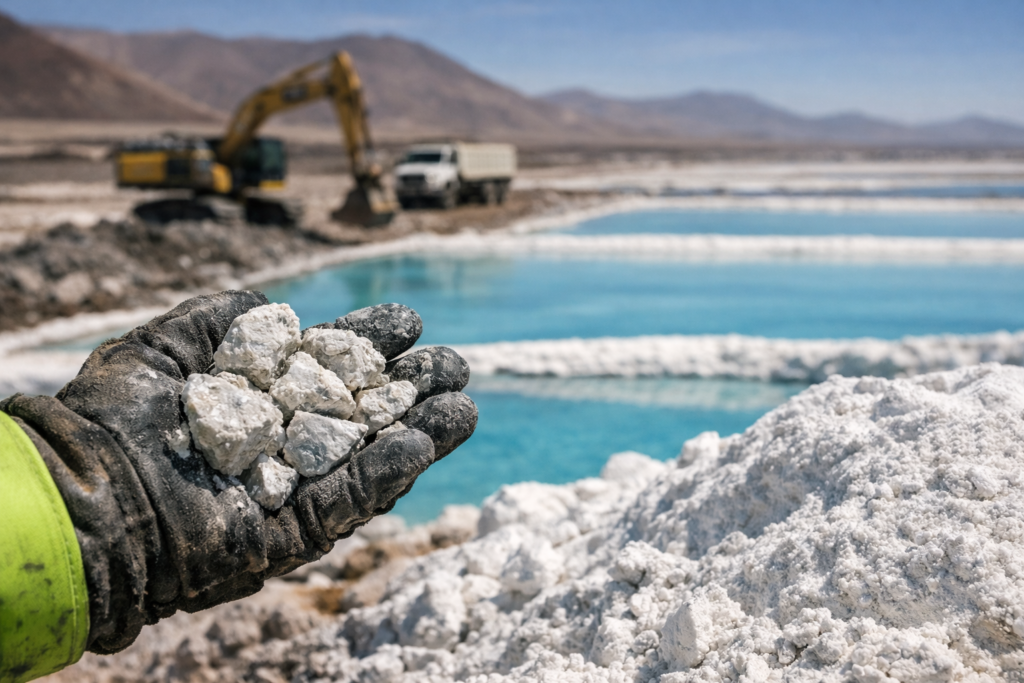
The so-called “Lithium Triangle” in South America — spanning Chile, Argentina, and Bolivia — contains some of the world’s largest reserves.
Refining Bottlenecks
Mining lithium is only the first step. Converting raw materials into battery-grade chemicals requires complex processing. China currently controls a large share of global lithium refining capacity, creating a strategic vulnerability for countries dependent on imports.
Supply Chain Complexity
The lithium battery supply chain involves multiple stages:
- Mining or brine extraction
- Chemical processing and refining
- Cathode and anode manufacturing
- Battery cell assembly
- Integration into vehicles or devices
Each stage can become a chokepoint — and therefore a source of trade tension.
How Lithium Became a Trade Issue
Export Controls and Resource Nationalism
As demand soared, producing countries began re-evaluating how lithium resources are managed. Some governments introduced:
- Export restrictions on raw materials
- Increased royalties and taxes
- State participation in mining projects
- Local processing requirements
These measures aim to capture more economic value domestically but can disrupt global supply chains.
Industrial Policy and Subsidies
Major economies are investing heavily in domestic battery production:
- The United States has enacted subsidies to encourage local battery manufacturing and reduce reliance on foreign supply chains.
- The European Union has launched initiatives to build a regional battery ecosystem.
- China continues to support its integrated battery and EV industries through industrial policy.
While intended to strengthen domestic industries, such policies can trigger trade disputes and accusations of unfair competition.
Security Concerns
Lithium is increasingly classified as a “critical mineral” due to its importance in defense and infrastructure. Governments worry about supply disruptions caused by geopolitical tensions, trade restrictions, or market manipulation.
The Geopolitics of Lithium: Competition Among Major Powers
China’s Dominant Position
China plays a central role in the lithium ecosystem, particularly in processing and battery manufacturing. Analysts estimate that China refines a large share of global lithium chemicals and produces the majority of lithium-ion batteries.
This concentration has prompted other countries to diversify supply chains to reduce strategic dependence.
U.S. and Allied Responses
The United States, Japan, South Korea, and European nations are seeking:
- New mining partnerships in Australia and South America
- Investments in domestic refining
- Recycling initiatives to recover lithium from used batteries
Trade agreements increasingly include provisions on critical minerals to secure stable access.
Emerging Producers
Countries such as Canada, Namibia, and Zimbabwe are exploring lithium development, hoping to benefit from rising demand. However, new projects face environmental, financial, and regulatory challenges.
Environmental and Social Dimensions
Environmental Impacts
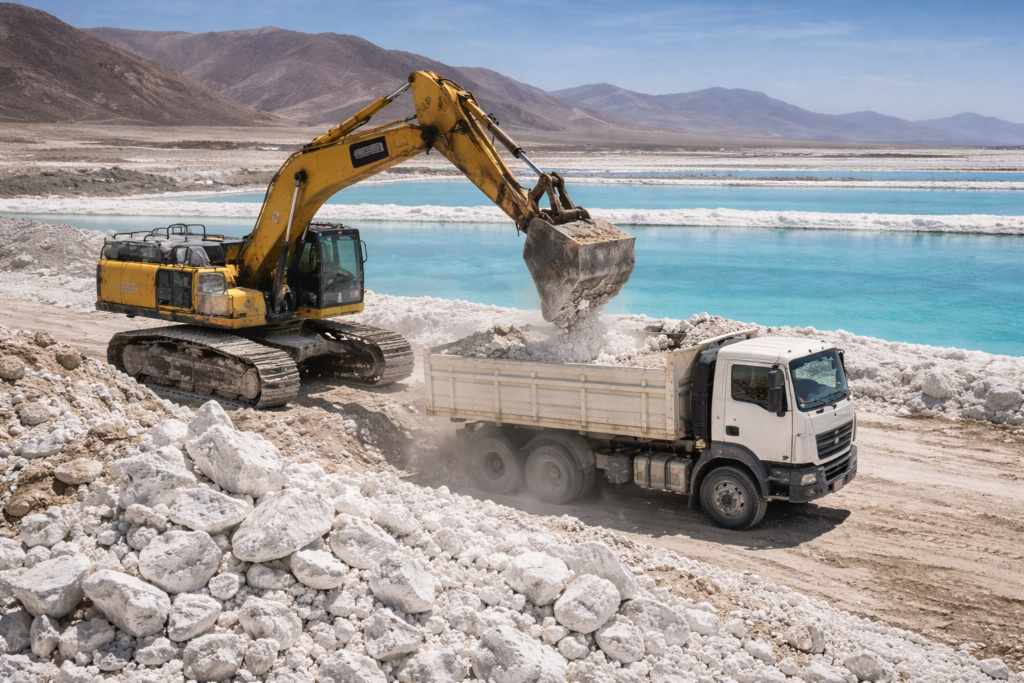
Lithium extraction raises environmental concerns:
- Water usage in arid regions
- Land disruption from mining operations
- Chemical waste from processing
Communities near mining sites often raise questions about sustainability and local ecosystem damage.
Social and Economic Considerations
Local populations may benefit from jobs and infrastructure, but conflicts can arise over land rights and environmental protections. Governments and companies increasingly face pressure to demonstrate responsible sourcing.
Market Volatility and Price Swings
Lithium prices have experienced dramatic fluctuations due to rapid demand growth, speculative investment, and supply constraints. Periods of sharp price increases have been followed by corrections as new production comes online.
For automakers and electronics manufacturers, price instability complicates long-term planning and contract negotiations. For producing countries, volatile revenues create economic uncertainty.
Innovation and Alternatives: Can the World Reduce Dependence?
Recycling as a Strategic Solution
Battery recycling is emerging as a key strategy to secure lithium supply while reducing environmental impact. According to the World Bank, recycling could eventually provide a meaningful share of global lithium demand if infrastructure scales up effectively.
Alternative Battery Chemistries
Research is advancing in areas such as:
- Sodium-ion batteries
- Solid-state lithium batteries
- Lithium-iron-phosphate (LFP) variants with reduced reliance on scarce metals
However, most alternatives still depend on lithium or remain in early commercialization stages.
Economic Implications for Industries and Consumers
Automakers and Technology Companies
Manufacturers face:
- Supply chain diversification challenges
- Rising production costs during shortages
- Pressure to secure long-term contracts with mining firms
National Economies
Resource-rich countries may experience economic growth from lithium exports, while import-dependent nations must manage trade deficits and supply risks.
Consumer Impact
Consumers may see:
- Fluctuating prices for electric vehicles
- Changes in electronics costs
- Potential delays in product launches during supply shortages
Key Takeaways
- Lithium has become a cornerstone mineral for modern technology and energy systems.
- Explosive demand from EVs and renewable energy is reshaping global trade dynamics.
- Concentrated refining capacity and industrial policies have triggered geopolitical tensions.
- Environmental and social considerations complicate rapid supply expansion.
- Recycling and innovation may help reduce future supply risks but are not yet sufficient to replace primary production.
A Strategic Resource for a Changing World
Lithium’s journey from obscure industrial input to geopolitical flashpoint reflects broader transformations in the global economy. As nations pursue decarbonization and digitalization, control over critical minerals has become synonymous with economic resilience and technological leadership.
Trade disputes over lithium are unlikely to disappear soon. Governments are balancing economic nationalism, environmental responsibility, and industrial competitiveness. Companies must adapt to volatile markets and evolving regulations. Meanwhile, consumers continue to rely on lithium-powered devices that shape everyday life.
The future of lithium will depend on several factors: technological innovation, sustainable mining practices, effective recycling systems, and international cooperation. Whether these elements converge to create a stable and equitable supply chain — or intensify global competition — will help define the next phase of the clean energy transition.
Sources & References
- International Energy Agency (IEA) — Global Critical Minerals Outlook; Global EV Outlook
- U.S. Geological Survey (USGS) — Mineral Commodity Summaries: Lithium
- World Bank — Minerals for Climate Action Report
- International Renewable Energy Agency (IRENA) — Energy storage and battery deployment analyses
- Nature Energy & Energy Policy journals — Research on battery supply chains and critical mineral geopolitics
(All sources are widely recognized international institutions or peer-reviewed publications providing data on lithium markets, energy transitions, and critical mineral trade.)